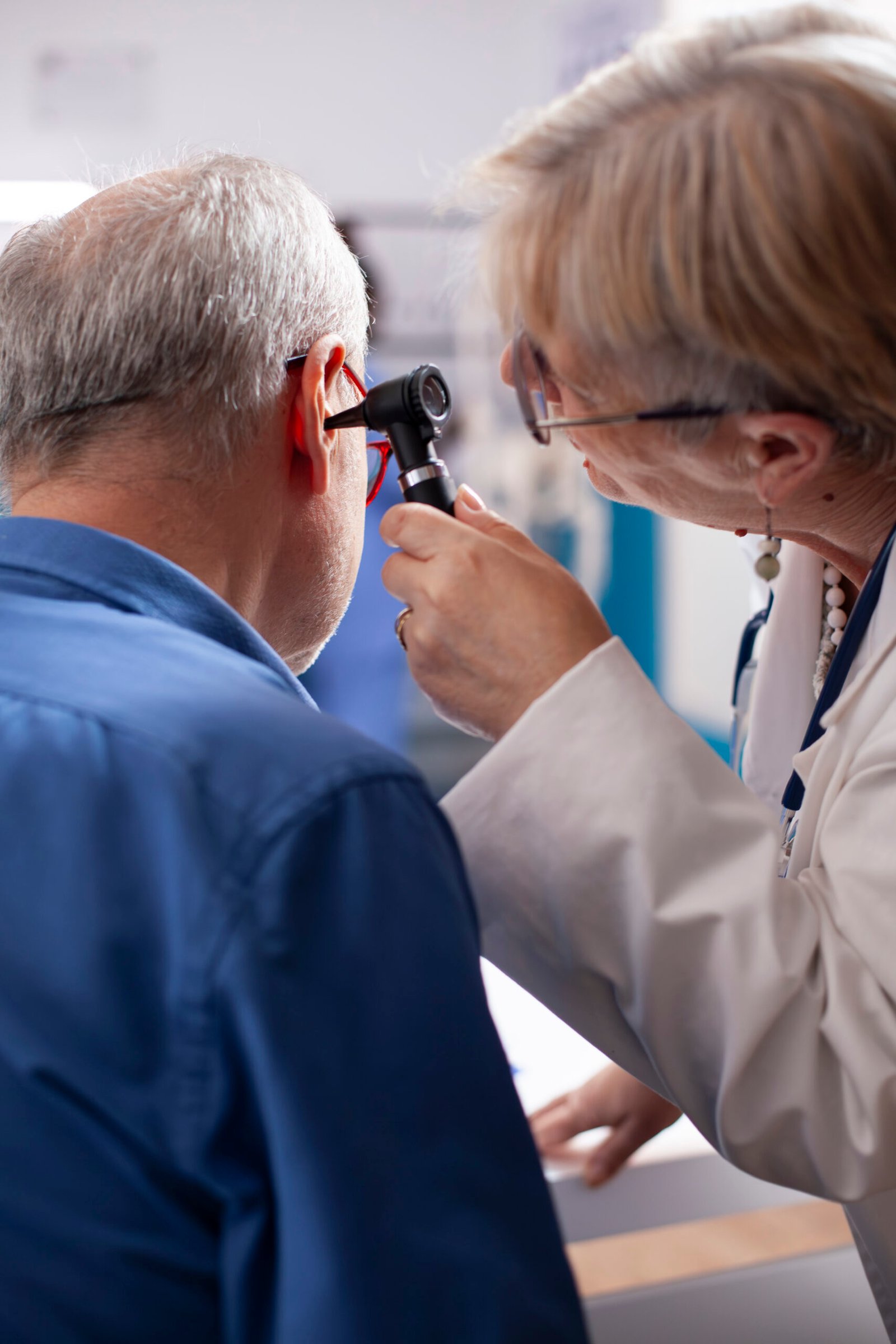
Earwax Microsuction Removal
Earwax Microsuction Removal is a safe, effective, and professional ear cleaning procedure designed to remove excess ear wax and restore clear hearing. A build-up of earwax can cause blocked ears, hearing difficulties, discomfort, ringing in the ears (tinnitus), and dizziness. Our advanced microsuction treatment provides a quick and comfortable solution without the need for water irrigation.
CareFirst Pharmacy – Providing Professional Earwax Microsuction Services Across Southampton, New Forest, Fareham, and Surrounding Areas
Ear Screenng…………………………….£20
One Ear………………………………………..£45
Both Ears…………………………………….£65
Important Information
- A consultation fee of £20 will apply if no earwax is removed during the appointment.
- This service is available to patients aged 18 years and over only.
How it works
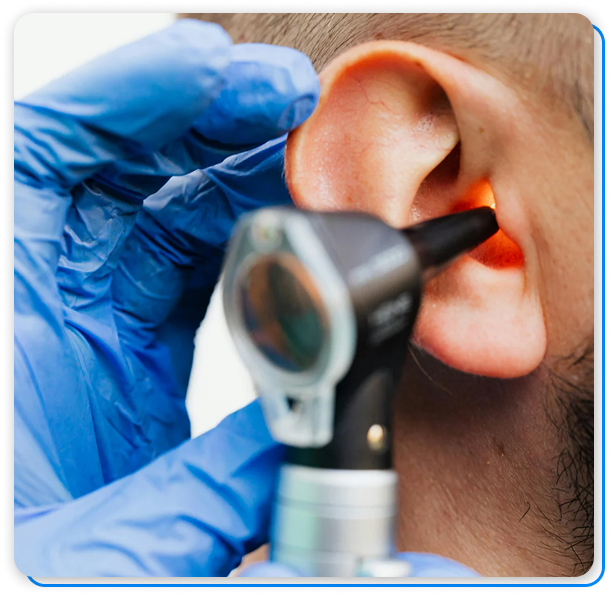
Microsuction ear wax removal is performed by a trained healthcare professional using a high-powered microscope and a precise low-pressure suction device. This allows clear visualisation of the ear canal while safely removing excess wax without touching sensitive areas of the ear. The procedure is quick, accurate, and suitable for most patients experiencing earwax blockage.
Benefits
Microsuction is a quick procedure that doesn’t use water, so it’s cleaner and more comfortable than other methods. You can usually go home the same day and should notice an immediate improvement in your symptoms.
When it's used
Microsuction is recommended for people who shouldn’t have water in their ears, such as those with a perforated eardrum, a history of thick ear discharge, or who have had ear surgery.
Aftercare
Microsuction is recommended for people who shouldn’t have water in their ears, such as those with a perforated eardrum, a history of thick ear discharge, or who have had ear surgery.
Side effects
Possible side effects include dizziness, discomfort, reduced hearing, infection, or trauma to the ear.
Who needs earwax microsuction?
Microsuction is used for people who should not have water in their ears, especially if they have:
• Any serious complications from a previous irrigation with water
• Had a middle ear infection (otitis media) in the last 2 months
• Had any form of ear surgery, apart from grommets, (if they been in the ear for less than 2 years) and the patient is no longer having ENT (ear, nose and throat) appointments. This does not include people who have had ear correction surgery
• A hole (perforation) in their ear drum or if there is a history of a mucous (thick) discharge from their ear in the last 2 years
• A cleft palate (repaired or not)
• A painful ear infection (acute otitis externa)